
Carbon Strip Wear Measured at 80 km/h, Without Taking Trains Out of Service
Trackside Pantograph Wear Scanner
±0.3 mm
measurement accuracy at line speed
80 km/h
maximum scan speed, no service interruption

Logistics / Pharmaceutical Cold Chain
Battery-Powered Excursion Detection That Survives 14 Days Off-Grid

Background
A pharmaceutical distributor shipping temperature-controlled product across Australia relied on single-use chart recorders. A recorder only revealed an excursion after the pallet arrived, by which point the consignment was already at the receiving dock and the product was written off rather than recovered.
The problem
The recorder had to run fourteen days on a single primary cell while sampling often enough to catch short excursions, which meant the radio had to stay off almost all the time. Simple threshold alarms produced constant false positives - a door opening at a cross-dock looks identical to a failing compressor for the first several minutes. Distinguishing them needed pattern recognition, but there was no power budget for a general-purpose processor.
Approach
We designed a sealed logger around an STM32U5 with a 6 µA/MHz low-power core and ran a small temporal convolutional model in TensorFlow Lite Micro directly on the MCU. The model reads a rolling window of temperature, humidity and 3-axis accelerometer data and classifies the thermal signature - door event, transient ambient, or genuine refrigeration failure - in 4 KB of RAM. Only a genuine-failure classification wakes the NB-IoT modem, so the radio duty cycle stays under 0.1%. Everything else is logged locally and offloaded over BLE when the pallet reaches a gateway. The result is a device that spends 99.4% of its life asleep and still catches a compressor fault within eleven minutes.
Outcome
Field trials across 1,400 shipments cut false excursion alerts by 87% against the incumbent threshold recorder, while catching every genuine refrigeration failure in the validation set. Because alerts now arrive in transit rather than at delivery, the distributor recovered 62% of at-risk consignments by rerouting to the nearest cold store. Measured battery life came in at 16 days against the 14-day requirement.
Our role
Hardware design; low-power firmware; on-device model design and quantisation; cloud ingest; regulatory validation support.
Technologies
Gallery
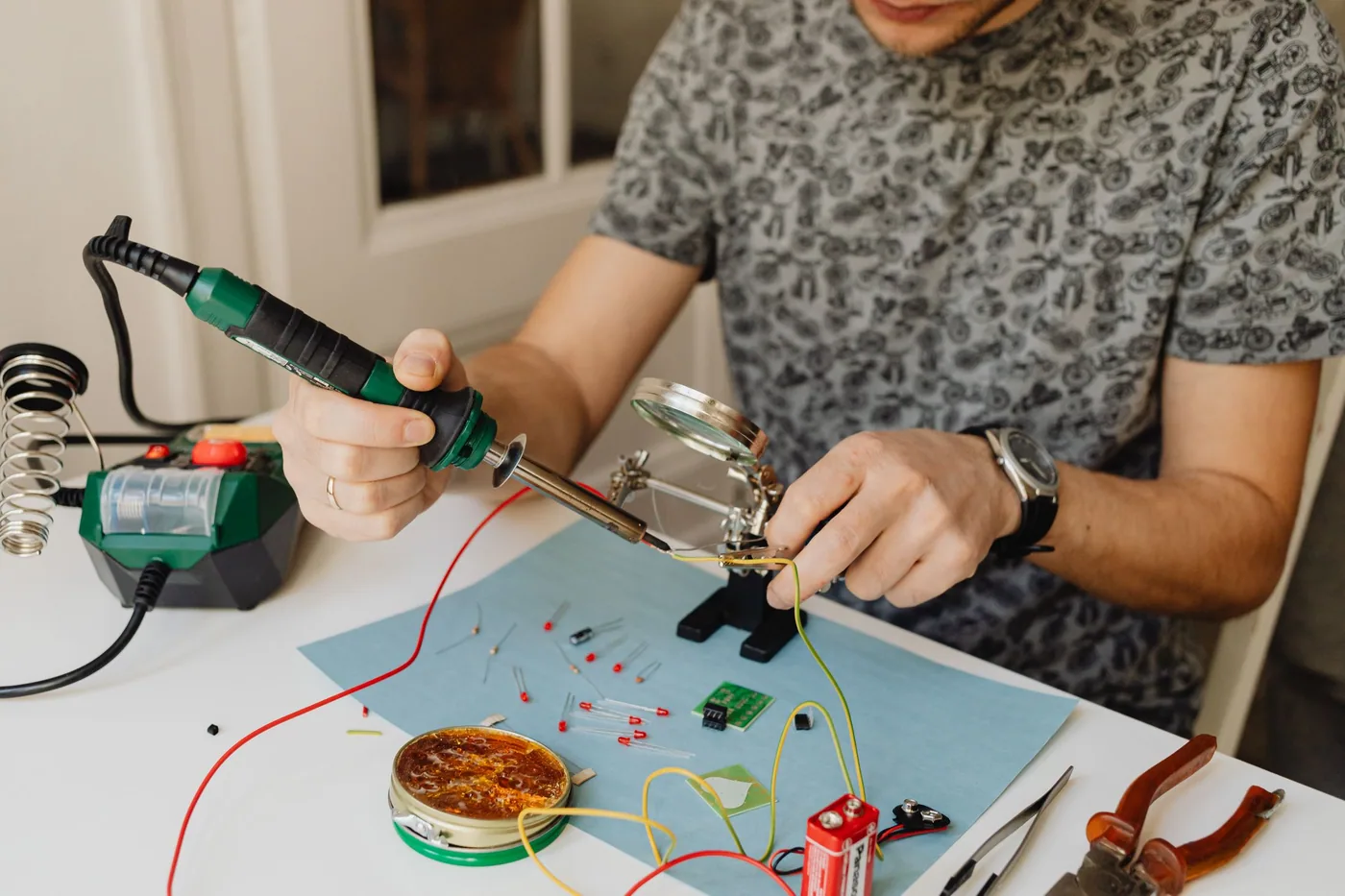
Illustrative of the hardware bring-up behind the power budget: every stage on the recorder board was measured and trimmed so the microcontroller could sample continuously while the radio stayed off.

The unmonitored leg the recorder covers: once a consignment leaves the dock there is no mains power and often no network, which is what sets the fourteen-day battery target.
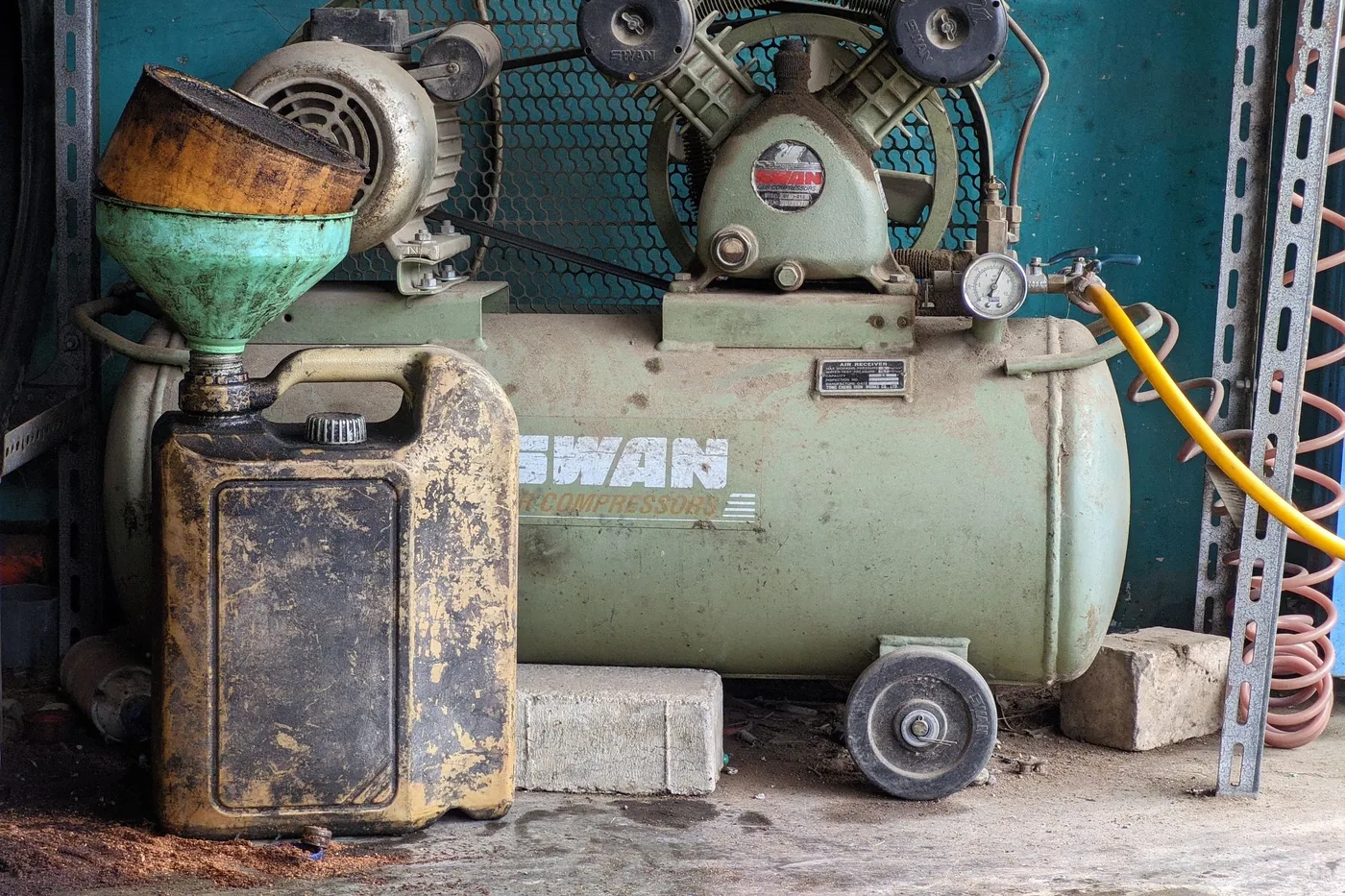
Most temperature spikes originate at the plant rather than the payload - defrost cycles and door openings are the events the on-device classifier learns to distinguish from real excursions.
Next case study
Carbon Strip Wear Measured at 80 km/h, Without Taking Trains Out of Service
Send the constraint that worries you most - a latency budget, a power budget, a certification date. We’ll tell you straight whether we’re the right team.