Inline Weld Seam Inspection
Vision-based defect grading in 38 ms; coverage from 2.5% sampling to 100% at line rate.
Read case study
Capability
Optics, illumination and models treated as one system - because most vision projects fail on lighting, not on the network. We design the camera choice, the light, the framing and the model together, then measure them together on the line.
Scope
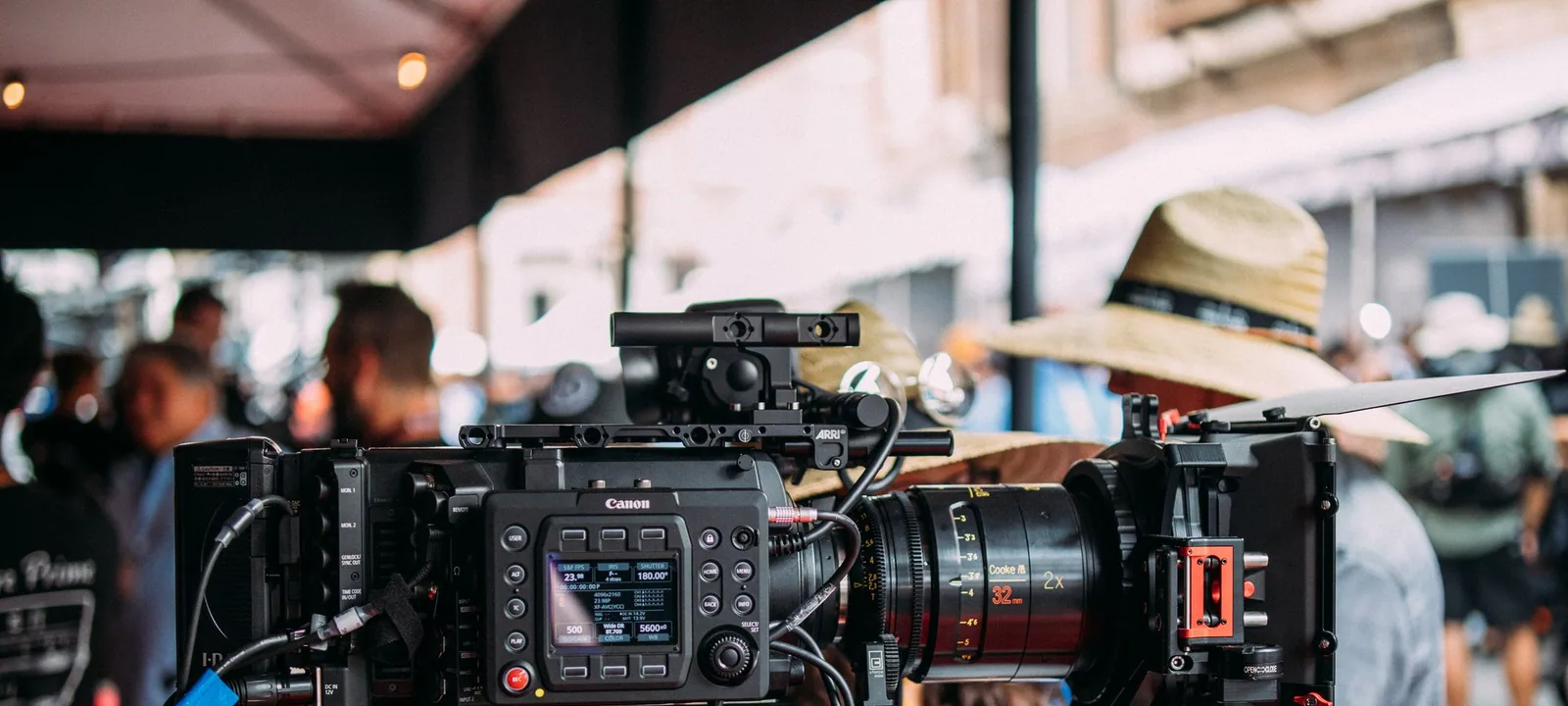
Computer vision is the discipline of turning pixels into decisions. We treat it as a co-design problem: sensor, optics, illumination and model are one design decision, not four - because the wrong lens or the wrong angle makes a great model unusable.
Outcomes
A vision system that works is one that runs unattended for months at accuracy that holds. What our vision programs consistently deliver:
Models trained on data that spans real illumination changes, part variation and edge cases. Not the curated benchmark set - the messy production one.
Dark-field for surface scratches, bright-field for dimensional, structured light for 3D. The light choice is made before the model is trained, not after it disappoints.
Vision cells sized to grade every unit, not one in forty. Our weld-inspection system moved coverage from 2.5% sampling to 100% at 45 ms per weld.
Retraining pipelines designed for the day a new SKU arrives. Data collection tools included in the handover.
Process
Four phases with a real deliverable at each gate - you always know what you paid for and what ships next.
PHASE 01
We start from the constraint that binds - power, latency, thermal, certification - and design backwards from it. You leave with a written architecture, a budget range and the risks named, whether or not we build it.
PHASE 02
Schematics, mechanical and firmware architecture proceed in parallel. High-risk blocks get simulated or breadboarded before the full layout commits.
PHASE 03
Iterative revisions against real bench and field testing. You see every revision, not just the last one. Integration is continuous, not a phase.
PHASE 04
Pilot in the field, closure with the contract manufacturer, production test procedures, and a commissioning-grade handover pack.
Technologies
The platforms we reach for most. If a project needs something not on this list, we say so - the tool is chosen for the constraint, never to fit our habits.
Industries
Deliverables & IP
Every vision program hands over: trained models with model cards, camera and lens specifications with justification, illumination design and photometric measurements, mechanical mount drawings, calibration procedures with sample images, inference wrapper code, validation dataset (or references to it), and a written report of accuracy on the deployment-representative test set. All foreground IP transfers on payment.
Case studies
Every entry links to the full case study - constraints, what we built, and what it measured afterwards.
Vision-based defect grading in 38 ms; coverage from 2.5% sampling to 100% at line rate.
Weather-hardened vision system distinguishing wildlife from intruders on 24/7 duty.
High-throughput classification for agricultural grading with tight ROI budget.
Compliance
Vision systems that see people trigger the Australian Privacy Principles by default - we design with data-minimisation as the starting point (process on-device where possible, retain only what is required for a documented purpose, obtain consent where the deployment context requires it). Where the deployment is workplace surveillance, we work with the client to align to Fair Work and state surveillance-notification requirements.
Safety-critical vision (autonomy, medical, security) gets the fallback path designed explicitly - what happens when confidence drops, when the scene occludes, when illumination changes. We document known failure modes as first-class deliverables, not as an appendix.
FAQ
Why Incendio
Vision projects that pass on the workstation and fail on the line usually failed at co-design - the lens or the light or the mount was wrong for the actual scene, and no model recovers from that. Because we hold the mechanical, illumination and model design together, our vision cells reach their accuracy targets on the line, not in the demo.
Related practices: edge AI, robotics, industrial automation, embedded systems.
Start
A latency budget, a power budget, a certification date. We reply within one business day - and we’ll say so if we’re not the right team.